Article 1
Flush Handles, EV Design, and the EMS Access Problem
11 July, 2026
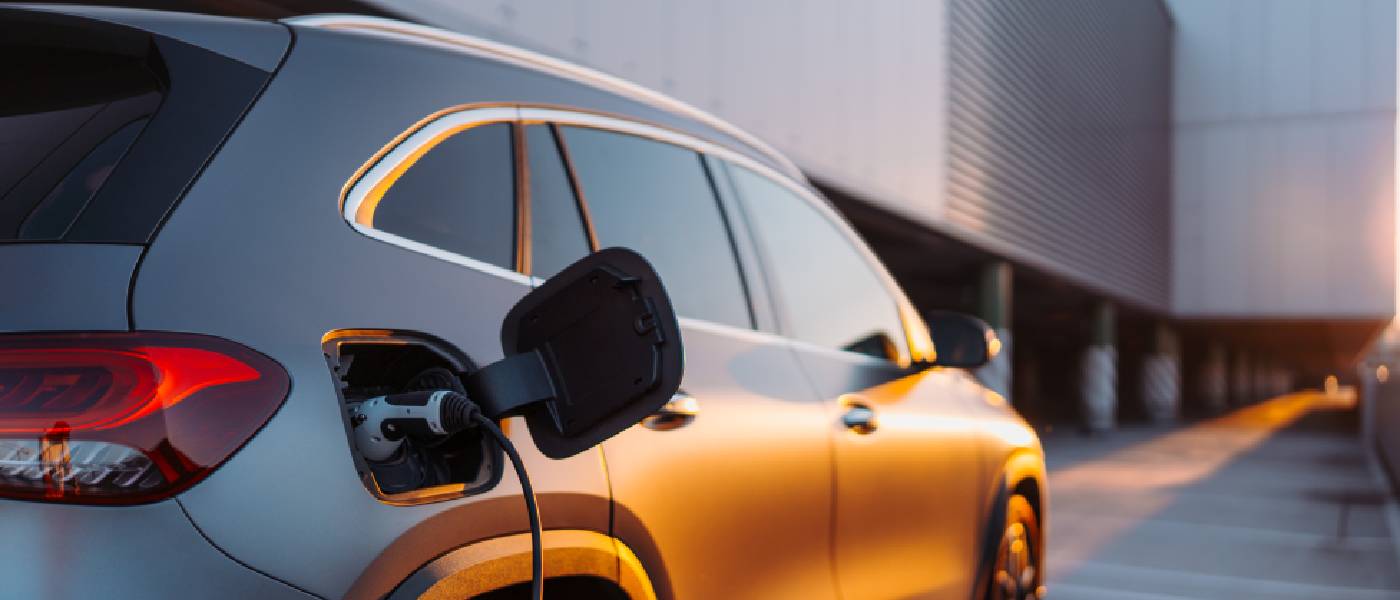
Modern electric vehicles (EVs) with flushfitting, electronic door handles look sleek and improve aerodynamics but at a crash scene they can create real operational challenges for emergency responders.
When these handles rely on electronic deployment and the vehicle loses electrical power in a collision, the handles may not extend and the doors may not open. That means the normal first step of patient access can be delayed or prevented altogether.
In a 2025 crash in Germany, a Tesla collision and fire drew attention to this issue. Reports indicated that first responders and bystanders struggled to open the doors after the impact because the electronic handles failed to deploy once power was lost. Delays in access during fire incidents can be critical, not just for extrication but for survival.
This is not about blaming manufacturers or design teams. It is about recognising operational realities. Electronic systems work brilliantly when intact, but crashes are precisely the events that can disrupt them.
Most vehicles with flush handles include an emergency manual release. However, these releases are often hidden behind trim panels or positioned in non-intuitive locations. Occupants under stress may not know they exist, and responders arriving on scene may need time to locate and operate them.
In high-pressure environments, seconds matter.
Now add another trend: increasing use of laminated side glass. Unlike traditional tempered glass, laminated panes are designed to resist shattering. That improves noise reduction and can enhance occupant retention in rollovers, but it also means the side glass may not break out easily when responders need to create an access point. If doors will not open and glass will not break, extrication becomes more complex.
Regulators and policymakers are paying attention. China has announced a ban on fully hidden or purely electronic exterior door handles on new vehicles from 2027, requiring mechanical solutions that can operate even if electrical systems fail. The move reflects safety concerns after incidents where electronic designs reportedly hindered emergency access. Such regulatory responses suggest that accessibility under failure conditions is now part of the design debate.
Industry scrutiny has also followed high-profile incidents, with outlets including Reuters reporting on safety concerns and design changes. Meanwhile, companies like Tesla, Inc. continue to evolve vehicle architectures as EV adoption grows.
For EMS responders, the practical implications are worth considering:
These questions are not theoretical. They reflect the changing nature of the vehicle fleet on our roads and the environments in which we operate.
No one is suggesting abandoning technological progress in automotive design. EVs offer clear environmental and efficiency benefits. But as designs evolve, emergency response strategies must evolve too — ensuring that safety systems, manual backups, and training keep pace with new challenges.
So the open question remains: are we fully prepared for extrications where electronic handles fail and laminated glass complicates access? Should routine training expand to cover these scenarios, including the use of respiratory protection and advanced extrication techniques?
It is a conversation worth having. Because at the end of the day, rapid access and effective rescue are what matter most when lives are on the line.
